
Eva Lundsager, Were now like (detail), 2021, oil on canvas, featured in AGNI 98
Notes on Xenophon
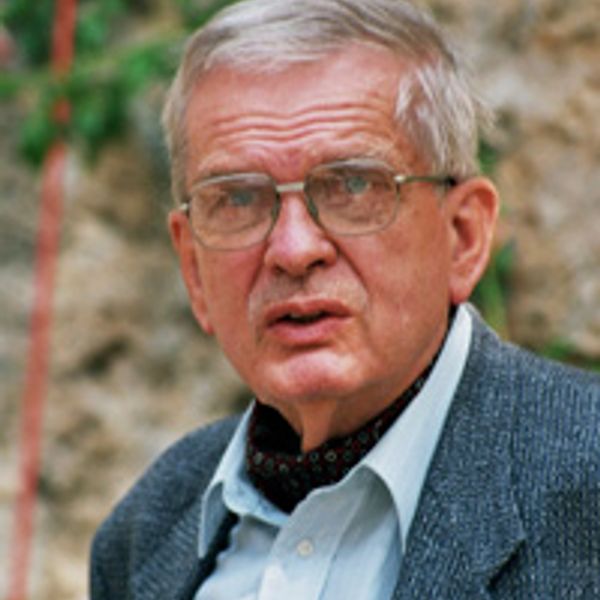
Tomas Venclova
Tomas Venclova, born in Klaipeda, Lithuania in 1937, took part in the Lithuanian and Soviet dissident movements and was one of the five founding members of the Lithuanian Helsinki Group. His activities led to a ban on publishing, exile, and the stripping of his Soviet citizenship in 1977. His poetry has been translated into more than twenty languages; his English-language collections to date are Winter Dialogue (Northwestern University Press, 1997) and The Junction: Selected Poems (Bloodaxe Books, 2008). He has received, among many other honors, the Vilenica International Literary Prize, the Lithuanian National Prize, and the Prize of Two Nations, which he won jointly with Czeslaw Milosz. Also a translator, essayist, and biographer, Venclova is professor emeritus of Slavic languages and literatures at Yale University. (updated 10/2023)

Diana Senechal
Diana Senechal’s translations of the poetry of Tomas Venclova are featured in two volumes: Winter Dialogue (Northwestern University Press, 1997) and The Junction (Bloodaxe Books, 2008). Her translation of Gyula Jenei’s collection Mindig más (Always Different: Poems of Memory) was published by Deep Vellum in 2022. She is also the author of Republic of Noise: The Loss of Solitude in Schools and Culture (Rowman & Littlefield, 2012) and Mind over Memes: Passive Listening, Toxic Talk, and Other Modern Language Follies (R&L, 2018). Winner of the Hiett Prize in the Humanities, Senechal serves on the council of the Association of Literary Scholars, Critics, and Writers. She lives and teaches in Szolnok, Hungary. (updated 10/2023)